

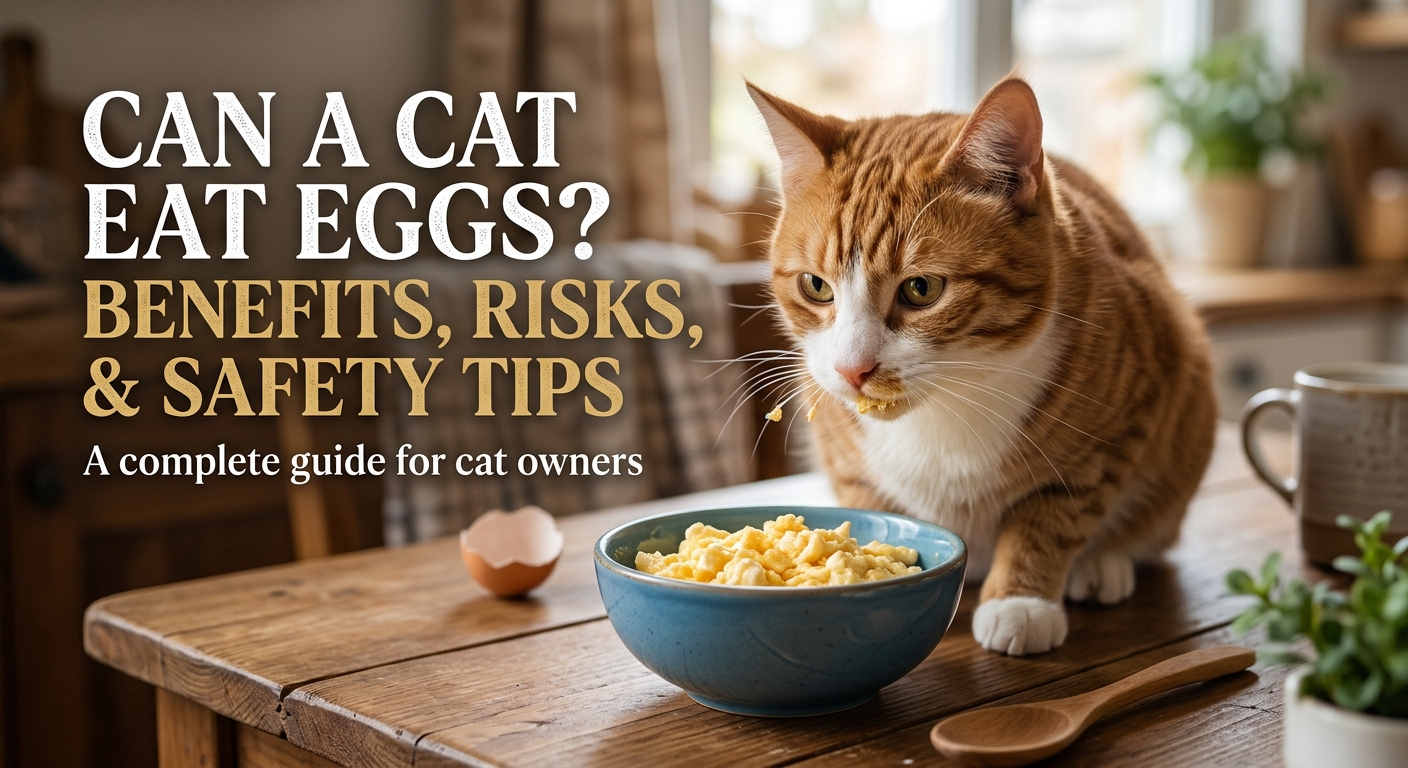
If you’ve ever cracked an egg for breakfast and noticed your cat watching you with intense curiosity, you’ve probably wondered: can a cat eat eggs? The short answer is yes, but with some important conditions. Eggs can be a nutritious treat for cats when prepared properly and served in moderation. Let’s look at the benefits, the risks, and how to feed eggs safely.
Why Eggs Appeal to Cats
Cats are obligate carnivores, meaning their bodies are built to thrive on animal-based proteins. Eggs are a natural fit for this dietary need. They’re rich in high-quality protein, contain essential amino acids, and have a soft texture that many cats find irresistible. In the wild, cats and their ancestors would occasionally eat bird eggs, so it’s no surprise that your pet is drawn to them.
Can a Cat Eat Eggs? The Nutritional Benefits
When asked whether eggs are safe for felines, veterinarians generally agree that cooked eggs are a healthy occasional snack. Here’s what they offer:
High-quality protein. Eggs have one of the most complete amino acid profiles of any food. Protein supports muscle maintenance, tissue repair, and a strong immune system, all vital for cats of every age.
Essential fatty acids. The fats in eggs help maintain a shiny coat and healthy skin. Cats with dry or flaky skin may benefit from the occasional egg, though it should never replace a proper diet or veterinary care.
Vitamins and minerals. Eggs contain vitamin A, vitamin B12, riboflavin, folate, selenium, and iron. These nutrients support vision, energy metabolism, nerve function, and red blood cell production.
Taurine. This amino acid is critical for cats, supporting heart health, eyesight, and digestion. Eggs contain small amounts of taurine, though commercial cat food is formulated to provide all the taurine your cat needs.
Easy digestibility. Cooked eggs are gentle on most cats’ stomachs, making them a useful treat for cats recovering from mild digestive upset, as long as your vet approves.
The Risks of Feeding Eggs to Cats
While eggs offer benefits, they’re not risk-free. Understanding the downsides will help you make smart choices.
Raw Eggs and Salmonella
Raw eggs are the biggest concern. They can carry bacteria such as Salmonella and E. coli, which can cause vomiting, diarrhea, fever, and lethargy in cats. Humans in your household can also be exposed through contact with contaminated food or surfaces. Although cats have a shorter digestive tract that helps them handle some bacteria better than humans do, it’s still best to avoid raw eggs entirely.
Avidin and Biotin Deficiency
Raw egg whites contain a protein called avidin, which binds to biotin (vitamin B7) and prevents its absorption. Over time, feeding raw egg whites regularly could lead to biotin deficiency, resulting in skin problems and a dull coat. Cooking the egg deactivates avidin, which is one more reason to always cook eggs before sharing them.
Egg Allergies
Though uncommon, some cats are allergic to eggs. Signs of an allergic reaction include itching, skin redness, vomiting, diarrhea, facial swelling, or ear infections. If you notice any of these symptoms after feeding eggs, stop immediately and contact your veterinarian.
Weight Gain and Overfeeding
Eggs are calorie-dense. A single large egg contains roughly 70 calories, which is a significant portion of the 200 or so calories an average indoor cat needs daily. Too many eggs can contribute to obesity, pancreatitis, and other health issues. Treats, including eggs, should make up no more than 10 percent of your cat’s daily calories.
Harmful Additions
Many people cook eggs with butter, oil, salt, onions, garlic, or other seasonings. Onions and garlic are toxic to cats and can damage red blood cells. Excess salt and fat can also upset your cat’s stomach. Always serve eggs plain.
How to Safely Feed Eggs to Your Cat
If you’ve decided to share an egg, follow these simple safety tips:
- Always cook thoroughly. Boil, scramble, or poach the egg until it’s fully set. Avoid runny yolks or undercooked whites.
- Keep it plain. Skip salt, pepper, butter, oil, milk, and any seasonings. Boiling is often the simplest method, since no added fat is required.
- Serve in small portions. A teaspoon or two of chopped egg is plenty for a treat. Cut it into small, bite-sized pieces to prevent choking.
- Let it cool. Make sure the egg is at a safe temperature before offering it.
- Introduce slowly. Offer a tiny amount first and watch for signs of stomach upset or allergy over the next 24 hours.
- Limit frequency. One or two small servings per week is plenty for most healthy adult cats.
- Skip the shells. Eggshells can be sharp and may cause digestive irritation. Though some sources suggest ground shells as a calcium source, this is unnecessary for cats eating balanced commercial food.
Can Kittens and Senior Cats Eat Eggs?
Kittens have delicate digestive systems and very specific nutritional requirements. While a tiny bit of plain cooked egg is unlikely to harm a healthy kitten older than a few months, it’s best to stick with kitten-formulated food and check with your vet first. Senior cats, especially those with kidney disease, may need restricted protein or phosphorus intake. Eggs, particularly the yolks, contain phosphorus, so cats with kidney issues should only eat them under veterinary guidance. Cats with diabetes, pancreatitis, or obesity also need extra caution.
Are Eggs a Substitute for Cat Food?
No. Although eggs are nutritious, they don’t provide the complete and balanced nutrition your cat requires. High-quality commercial cat food is specially formulated with the right ratios of protein, fat, vitamins, minerals, and taurine. Eggs should only ever be a supplementary treat, never a main meal.
When to Call the Vet
Contact your veterinarian if your cat shows any of the following after eating eggs:
- Repeated vomiting or diarrhea
- Loss of appetite or lethargy
- Excessive itching or swelling
- Signs of abdominal pain
- Any unusual behavior lasting more than a day
Prompt attention can prevent a minor issue from becoming a serious one, especially for young, elderly, or immunocompromised cats.
Final Thoughts
So, can a cat eat eggs? Yes, cooked plain eggs are a safe, protein-rich treat for most healthy cats when offered in small amounts. The key rules are simple: always cook them, never add seasonings, keep portions small, and watch for any signs of allergy or digestive trouble. Raw eggs should be avoided due to the risks of bacteria and biotin deficiency.
Every cat is different, so if your pet has health conditions or special dietary needs, talk to your veterinarian before adding eggs or any new food to their routine. With a little care, an occasional bite of scrambled or boiled egg can be a delightful and healthy way to bond with your feline friend.
READ ALSO: https://aimodern.co.uk



Leave a Reply